Review: Decorative Floral Corner for Craft Fairs
As an embroidery designer who has spent countless weekends behind a booth table, I know that the difference between a browser and a buyer often comes down to visual impact. When I first loaded the Decorative Floral Corner onto my screen, my immediate thought was about versatility. In the high-stakes environment of a handmade market, you need designs that work hard. This machine embroidery design promises to add exclusivity to projects, and after reviewing its potential applications, I believe it delivers on that promise for sellers looking to elevate their Kitchen and lifestyle collections.
First Impressions: Elegant Versatility
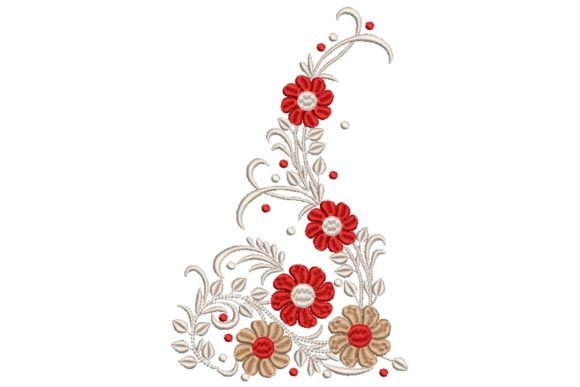
The aesthetic of the Decorative Floral Corner strikes a balance between ornamental and modern. It does not scream for attention with neon brightness or chaotic shapes; instead, it offers a refined, decorative touch. For a craft fair seller, this is crucial. You want a design that feels premium but approachable. Whether your brand leans toward farmhouse rustic, minimalist chic, or romantic vintage, this floral corner adapts well. It feels soft yet structured, making it an ideal candidate for products that require a touch of elegance without overwhelming the base material.
From a production standpoint, the "corner" placement is a strategic choice. Unlike central motifs that demand perfect symmetry and large open spaces, a corner design allows for creative placement on hems, pockets, and edges. This flexibility is a massive advantage when you are trying to maximize the utility of every inch of fabric in your inventory.
Product Applications That Sell
When preparing my display for a weekend market, I always categorize items by how quickly they move. The Decorative Floral Corner shines brightest on items where the placement enhances the function of the product. Here is how I would deploy this digital embroidery file across a product line:
- Tea Towels and Napkins: This is the most natural fit. Embroidering the corner of a linen or cotton tea towel creates an instant heirloom quality. It transforms a basic kitchen staple into a giftable handmade product. The design anchors the corner, drawing the eye without interfering with the towel's usability.
- Tote Bags: A tote bag design benefits immensely from corner placement. Placing the floral motif on the bottom corner of a canvas tote adds a subtle branding element or decorative accent that looks intentional and high-end. It avoids the "billboard" look of large central graphics, appealing to customers who prefer understated style.
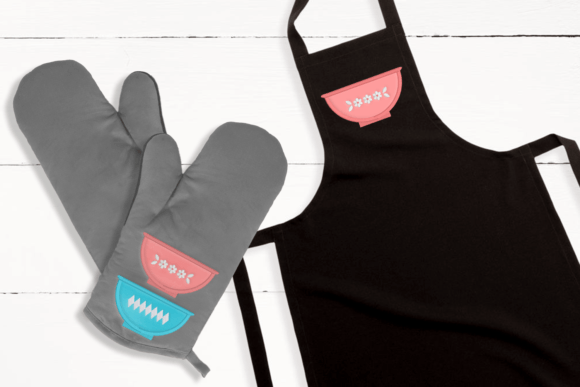
- Aprons: For apron embroidery, consider placing the design on the pocket corner or the lower hem. It adds a professional finish that distinguishes your work from mass-produced alternatives. This is a strong seller for bridal showers or housewarming gifts.
- Pillow Covers: Trendy pillows often feature asymmetric designs. Using this ornamental file on one corner of a square pillow cover creates a modern, artistic vibe that photographs beautifully for online listings.
Production Practicality for Small Shops
For an Etsy seller or boutique maker, time is money. One of the strongest attributes of the Decorative Floral Corner is its potential for batch production. Because it is a corner element, it is generally smaller than full-coverage designs. This means shorter machine run times, allowing you to produce more units per day. However, efficiency should never compromise quality.
When evaluating this as a craft fair product, consider how it photographs. Corner designs create interesting negative space, which helps in styling flat-lay photos for your printable mockup needs or social media marketing. The asymmetry leads the viewer’s eye across the image, increasing engagement on platforms like Instagram or Pinterest.
Careful-Use Notes and Technical Considerations
While the design is versatile, there are technical nuances to address before you start stitching. As an experienced designer, I advise paying close attention to stitch density and fabric interaction.
- Fabric Texture: Textured towels, such as waffle weave or heavy terry cloth, can swallow fine details. If the floral elements have tiny leaves or thin stems, they may lose clarity on highly textured surfaces. Always test on your specific fabric type.
- Curved Surfaces: If you plan to use this on caps or curved pouches, remember that corners can distort on rounded forms. Hooping stability is critical here. A poorly hooped cap will result in puckering, ruining the elegant look of the floral corner.
- Thread Contrast: On dark fabrics, ensure your thread colors pop. A low-contrast thread on a dark navy or black fabric might make the design invisible from a distance. At a craft fair, customers decide within seconds; your design needs to be visible from three feet away.
- Scale and Clarity: If you shrink the design too much for small items like makeup bags, intricate details may merge. Check the minimum viable size for your specific machine and needle combination.
Enhancing Brand Consistency and Value
Using a consistent design element like the Decorative Floral Corner across multiple product types helps build brand recognition. When a customer sees the same elegant floral accent on a tote bag, a tea towel, and a patch, it signals a cohesive collection. This perception of curation increases the perceived value of each item. It moves your offerings from simple commodities to curated design assets that tell a story.
Furthermore, this design works exceptionally well for embroidered patch creation. Patches are low-risk, high-margin items for craft fairs. By embroidering the floral corner on twill or felt backings, you create versatile accessories that customers can iron onto jackets, jeans, or existing bags. This expands your market to customers who might not buy a whole new tote but will impulse-buy a $10 patch.
Designer’s Checklist Before Production
Before you commit to producing a full line of commercial embroidery products using this file, follow these practical steps to ensure quality control:
- Test on Scrap Fabric: Never skip the test stitch. Use the exact fabric and stabilizer you plan to sell. Check for puckering, thread breaks, or registration issues.
- Review Stabilizer Choice: For lightweight fabrics like linen napkins, a cut-away stabilizer might be too stiff, while tear-away might leave residue. Match the stabilizer to the fabric weight to maintain the drape and feel of the final product.
- Confirm Hoop Size: Ensure the design fits comfortably within your standard hoop sizes to minimize re-hooping time. Check the specific dimensions provided with the embroidery file to confirm it matches your equipment capabilities.
- Check Licensing: Always verify the license terms included with the digital download. Confirm that you have the right to sell finished products made with the design, especially if you are scaling up for larger markets or wholesale opportunities.
- Create Real Mockups: Do not rely solely on digital previews. Stitch out one sample on each product type (towel, tote, apron) and photograph them in natural light. These real-world images will convert better than generic digital renderings.
In conclusion, the Decorative Floral Corner is a strategic addition to any embroidery business focused on home goods and accessories. Its ability to adapt to various Kitchen textiles and fashion items makes it a reliable workhorse for small shop product lines. By paying attention to fabric texture, thread contrast, and placement, you can leverage this design to create high-value, visually appealing items that stand out in a crowded marketplace. Whether you are an established Etsy seller or a new crafter testing the waters at local fairs, this design offers the elegance and practicality needed to drive sales and build a loyal customer base.