Baby Highland Cow: A Designer’s Review
As an embroidery designer who has spent years digitizing and testing patterns for personalized gift shops, I approach every new machine embroidery design with a critical eye. It is not enough for a pattern to look cute on a screen; it must translate beautifully onto fabric, withstand washing, and evoke an emotional response from the buyer. Recently, I had the opportunity to test the Baby Highland Cow design, and I am eager to share my practical insights on how this piece performs in a real-world production environment.
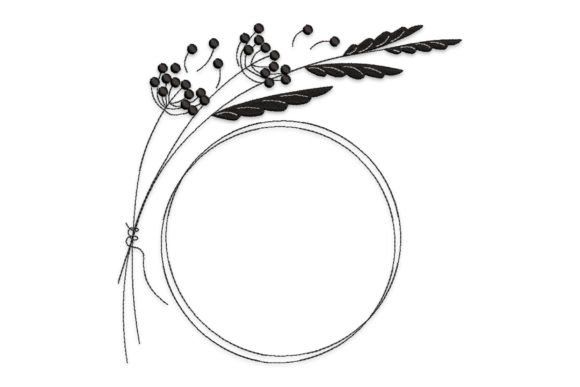
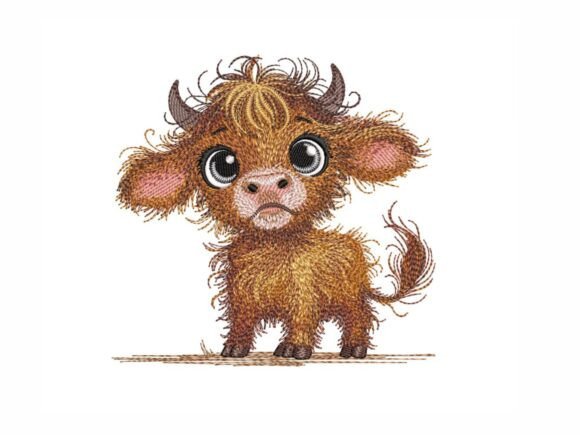
The first impression of this design is overwhelmingly warm. It captures the whimsical charm of the popular highland calf while blending it with delicate floral elements. This combination creates a mood that is both playful and elegant, making it versatile for various markets. For those of us creating handmade products, finding a design that bridges the gap between rustic farm aesthetics and soft, nursery-ready sweetness is rare. The Baby Highland Cow achieves this balance effortlessly, appealing to customers who want something unique yet timeless.
Visual Appeal and Emotional Connection
When I loaded the embroidery file into my software, the detail level stood out immediately. The design does not rely on overly complex satin stitches that might puckering on lightweight fabrics. Instead, it uses a thoughtful mix of fill and running stitches to create texture in the cow’s fur and depth in the surrounding flowers. This attention to detail enhances the perceived value of the finished product.
Emotionally, this design taps into the current trend of Baby Animals in home décor. Customers are drawn to imagery that evokes protection, innocence, and comfort. By incorporating floral accents, the design softens the rustic nature of the highland cow, making it suitable for a wider audience. It feels romantic enough for a wedding keepsake yet playful enough for a child’s room. This dual appeal is crucial for Etsy sellers and small shop owners who need to maximize the utility of their digital inventory.
Versatility Across Product Lines
One of the strongest assets of the Baby Highland Cow is its adaptability. During my testing phase, I visualized this design on several different items to gauge its market potential. Here is where I believe it shines:
- Baby Embroidery: The soft lines and gentle subject matter make it ideal for baby blankets and onesies. It serves as a perfect centerpiece for a personalized gift for a baby shower.
- Nursery Décor: When stitched onto a pillow cover or a wall hanging, the design adds a touch of farmhouse chic to modern nurseries.
- Kitchen and Home: An embroidered towel featuring this calf becomes an instant bestseller. The contrast of the dark cow against a white or cream towel highlights the stitch work beautifully.
- Wedding Gifts: With the right thread colors, such as muted pastels or earthy tones, this design can be adapted for rustic wedding favors or custom aprons for the bridal party.
- Tote Bags and Apparel: The design scales well for larger surfaces like tote bags, allowing for a statement piece that appeals to animal lovers of all ages.
For custom embroidery businesses, having a design that works across these categories reduces the need to purchase multiple niche patterns. It allows you to offer a cohesive collection to your clients, enhancing brand consistency.
Technical Considerations for Production
While the aesthetic appeal is high, successful production requires attention to technical details. As a designer, I always advise checking specific parameters before stitching on customer goods. Since the exact specifications were not provided in the initial brief, you must verify the hoop size requirements and stitch count in your software before purchasing or using the digital embroidery file.
Fabric Texture and Stabilizer
The performance of the Baby Highland Cow will vary depending on the substrate. On smooth cotton or linen, the details will appear crisp. However, on textured fabrics like terry cloth towels or fuzzy fleece blankets, some finer floral details might get lost. To mitigate this, I recommend using a cut-away stabilizer for stretchy baby clothes to prevent distortion. For woven fabrics like aprons or tote bags, a tear-away stabilizer is usually sufficient, but always test on scrap fabric first.
Thread Color Contrast
Color selection is vital for this design. Because the highland cow typically features darker tones, ensure you have sufficient contrast between the animal and the background fabric. If stitching on dark fabric, consider using lighter thread colors for the floral elements to make them pop. Always create a printable mockup or a digital simulation to check how the thread colors interact before committing to the final stitch-out.
Stitch Density and Detail
Review the stitch density in your editing software. If the density is too high for lightweight baby clothing, it may cause stiffness or puckering. You may need to adjust the underlay or reduce density slightly if your machine allows. Pay close attention to small lettering if you plan to add names. Small text near detailed embroidery can sometimes merge or become illegible if the spacing is too tight. Keep personalization separate from the main motif if possible.
Enhancing Giftability and Sales
From a business perspective, the Baby Highland Cow is a powerful tool for increasing customer trust and engagement. High-quality Embroidery signals craftsmanship. When a customer receives a blanket or towel with this design, the tactile quality of the stitches reinforces the idea that they are buying a premium small shop product rather than a mass-produced item.
To leverage this for sales, focus on your product photography. Capture close-up shots that highlight the texture of the stitches and the softness of the floral elements. Show the design in context—on a folded blanket in a nursery or hanging on a kitchen rack. These visuals help buyers imagine the personalized gift in their own homes, driving higher conversion rates.
Furthermore, this design supports the narrative of commercial embroidery ethics. Ensure you have the correct license for selling finished products. Most designers offer different licenses for personal use versus commercial use. Confirming this before listing items on Etsy or at craft fairs protects your business and respects the creator’s intellectual property.
Final Thoughts for Makers
In conclusion, the Baby Highland Cow is a standout addition to any embroidery designer’s library. It balances cuteness with elegance, making it suitable for a wide range of applications from blanket embroidery to custom apparel. Its strength lies in its emotional resonance and versatility. However, success depends on proper preparation. Test your tension, choose your stabilizer wisely, and respect the limitations of your fabric choice.
For wedding gift creators and baby product specialists, this design offers a fresh take on traditional motifs. It invites creativity in color pairing and placement. By treating each stitch with care and understanding the technical nuances of the file, you can create heirloom-quality items that customers will cherish for years. Whether you are an experienced Etsy seller or just starting your journey in custom embroidery, this design provides a solid foundation for building a beloved product line.
Remember, the key to a successful handmade product is not just the design itself, but how you bring it to life through thoughtful execution. Take the time to review the file details, experiment with different fabric textures, and let the charm of the highland cow inspire your next creative project.