Hummingbird Floral Embroidery Design Review
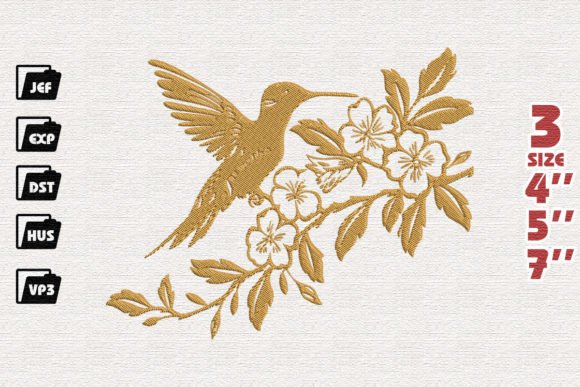
As an embroidery designer who has spent years digitizing patterns for small businesses, I approach every new machine embroidery design with a critical eye. It is not enough for a pattern to look pretty on a screen; it must perform flawlessly on fabric, withstand commercial washing, and elevate the brand identity of the client using it. Recently, I evaluated the Hummingbird Floral Embroidery Design, a digital file that promises to add a touch of nature’s beauty to various textiles. For boutique owners, café operators, and handmade brands, this review breaks down whether this design is a viable asset for your next batch of custom apparel or branded merchandise.
First Impressions: Visual Personality and Brand Fit
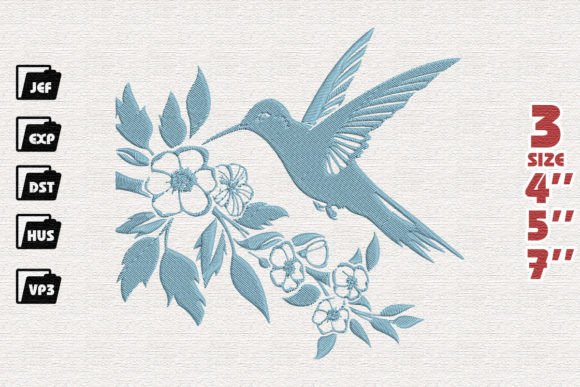
The immediate appeal of the Hummingbird Floral Embroidery Design lies in its balance between organic movement and structured detail. In the world of Birds themed Embroidery, hummingbirds are notoriously difficult to digitize well due to their iridescent feathers and rapid motion. A poor design can look cluttered or muddy when stitched out. However, this particular design appears to prioritize clarity. It feels elegant yet playful, striking a chord that is perfect for businesses wanting to project a friendly, approachable, and premium image.
For a florist, a bakery, or a creative studio, this aesthetic aligns perfectly with a "handmade" and "artisanal" brand voice. It does not scream corporate rigidity; instead, it invites warmth. If your business relies on customer engagement through visual storytelling, this design serves as a strong visual anchor. It suggests care, attention to detail, and a connection to nature, which are high-value traits for modern consumers.
Real-World Applications for Small Business Merch
The true test of any digital embroidery file is its versatility across different products. Here is how I envision the Hummingbird Floral Embroidery Design performing in real commercial scenarios:
- Embroidered Patches: This is perhaps the strongest use case. A patch allows for higher stitch density without compromising the garment. You can create iron-on or velcro-backed patches for tote bags or jackets, giving customers a removable piece of branded art.
- Staff Uniforms and Aprons: For cafés and boutiques, apron embroidery is a subtle but powerful branding tool. Placing this design on the chest pocket or lower corner of a canvas apron adds a professional touch that distinguishes your staff from competitors.
- Cap Embroidery: Hummingbirds work well on curved surfaces if the design is not too wide. Using this on the side panel or front of a dad hat can create a trendy, understated look that appeals to younger demographics.
- Tote Bag Design: Canvas totes are staples for eco-friendly brands. The burst of color mentioned in the product description will pop against natural beige or white canvas, turning a simple bag into a walking advertisement.
- Customer Gifts and Event Merch: Small embroidered items like handkerchiefs or pouches make excellent loyalty rewards. The intricate nature of the floral elements makes these items feel luxurious and thoughtful.
Technical Considerations and Production Challenges
While the aesthetic is promising, experienced embroiderers know that beauty often comes with technical caveats. Before running a full production batch, you must address several critical factors to ensure the finished product meets professional standards.
Stitch Density and Fabric Texture
Floral designs often involve satin stitches for petals and fill stitches for leaves. If the stitch density is too high, the fabric may pucker, especially on lighter materials like cotton tees or silk blends. Conversely, if the density is too low, the backing material might show through. I recommend testing the design on the exact fabric texture you plan to use. For textured fabrics like terry cloth or heavy denim, you may need to adjust underlay stitches to ensure the hummingbird’s delicate features remain sharp.
Size Constraints and Detail Loss
One common mistake in commercial embroidery is shrinking a detailed design too much. The hummingbird’s beak and the fine lines of the flowers may merge if the design is reduced below a certain threshold. If you are creating a small chest logo for a polo shirt, verify that the smallest details remain distinct. If they do not, consider simplifying the design or increasing the overall dimensions. Always check the recommended hoop size provided with the file to ensure it fits your machine’s capabilities without excessive re-hooping.
Thread Colors and Contrast
The description highlights a "burst of color," which implies a multi-color palette. While vibrant, this requires precise color matching to maintain brand consistency. If your brand uses specific Pantone colors, you may need to manually adjust the thread colors in your embroidery software. Additionally, consider how the design looks in black and white or monochrome. A design that relies solely on color contrast may fail when stitched on dark uniforms where only tonal variation is visible. Test a single-color version to ensure the silhouette remains recognizable.
Enhancing Brand Identity and Customer Trust
Using a high-quality embroidery file like the Hummingbird Floral Embroidery Design does more than decorate a product; it builds trust. In the eyes of the consumer, neat, professional embroidery signals that a business cares about quality. Sloppy stitching, thread breaks, or misaligned designs can damage a brand’s reputation instantly.
By integrating this design into your small business merch, you create a cohesive visual language. Whether it appears on a printable mockup for your website or on the actual custom apparel worn by your team, consistency is key. Ensure that the style of this bird motif complements your other design assets, such as your logo and packaging. If your brand is minimalist, this detailed floral design might serve as an occasional accent rather than a primary logo. If your brand is maximalist and botanical, it can take center stage.
Practical Designer Notes for Implementation
Before you purchase and produce, follow this checklist to mitigate risk and ensure success:
- Verify Licensing: Confirm the commercial licensing terms. Ensure you have the right to use the design on items for sale, not just for personal use.
- Check File Formats: Ensure the digital embroidery file is compatible with your machine (e.g., PES, DST, JEF). The product description does not specify formats, so check the seller’s details before buying.
- Use Proper Stabilizer: For best results, match your stabilizer to your fabric. Cut-away stabilizer is often best for garments that will be washed frequently, while tear-away may suffice for decorative patches.
- Create a Mockup: Use a printable mockup or digital preview to show clients or stakeholders how the design will look on specific items before stitching.
- Test Stitch-Out: Never skip the test phase. Stitch the design on a scrap piece of your actual production fabric. Inspect for thread breaks, jumps, and registration issues.
In conclusion, the Hummingbird Floral Embroidery Design offers significant potential for businesses looking to add a natural, elegant touch to their merchandise. It is particularly well-suited for brands in the lifestyle, food, and creative sectors. However, its success depends entirely on proper technical execution. By respecting the limits of stitch density, choosing the right fabrics, and maintaining brand consistency, you can transform this digital file into a tangible asset that drives customer engagement and elevates your professional image.