Reviewing Flower, Floral Embroidery for Real Projects
As an embroidery designer who spends hours digitizing and stitching daily, I am always cautious about which machine embroidery design assets I add to my library. Time is money in this business, and a poorly digitized file can ruin expensive fabric or waste valuable machine time. Recently, I explored the Flower, Floral Embroidery collection on Creative Fabrica, specifically looking at the Single Flowers category. My goal was not just to admire the aesthetics, but to determine if these files could withstand the rigors of commercial production for my handmade shop.
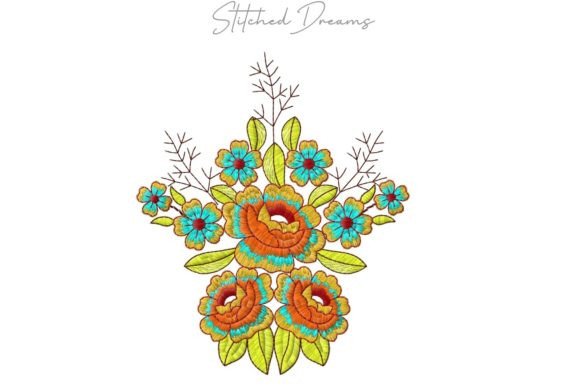
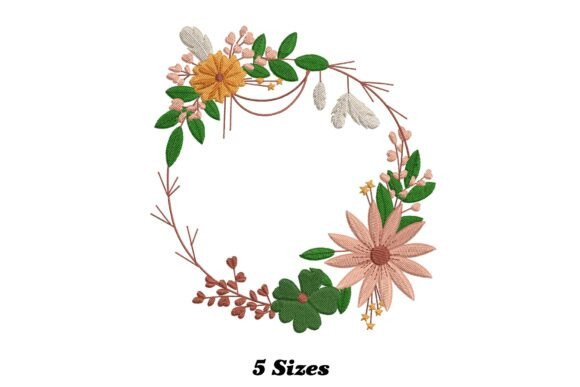
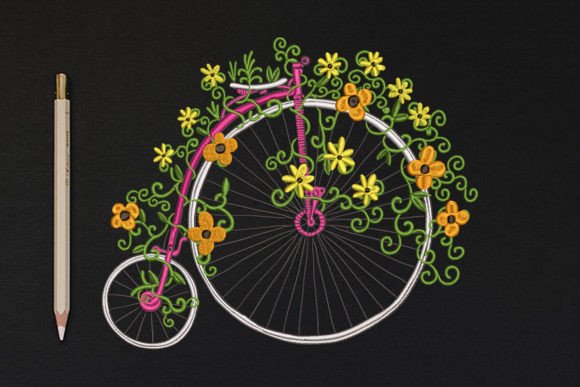
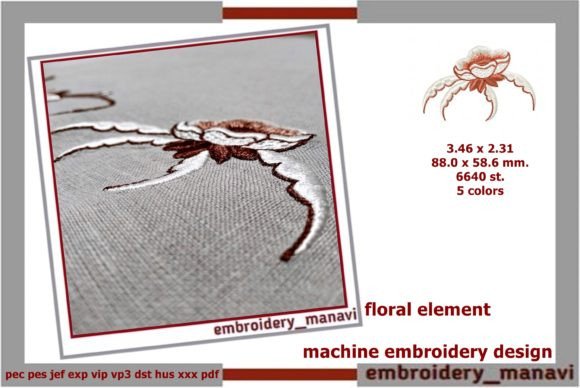
The first impression of Flower, Floral Embroidery is one of delicate versatility. Visually, the designs carry a soft, organic mood that fits seamlessly into current trends favoring botanical and cottage-core aesthetics. The detail level appears balanced, avoiding the common pitfall of over-digitizing where tiny details get lost in the thread. For those of us creating handmade products, the decorative appeal is immediate. It looks like a design that would naturally fit on a variety of substrates, from sturdy canvas to softer knits.
Real-World Application and Versatility
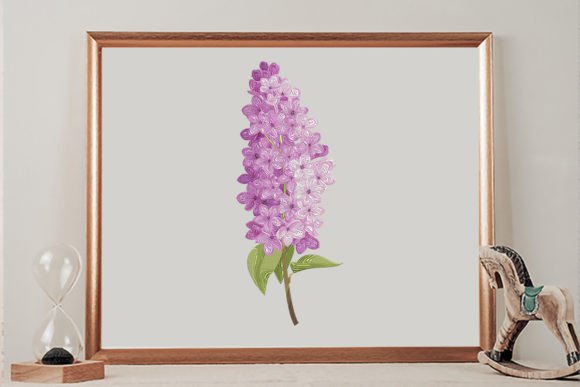
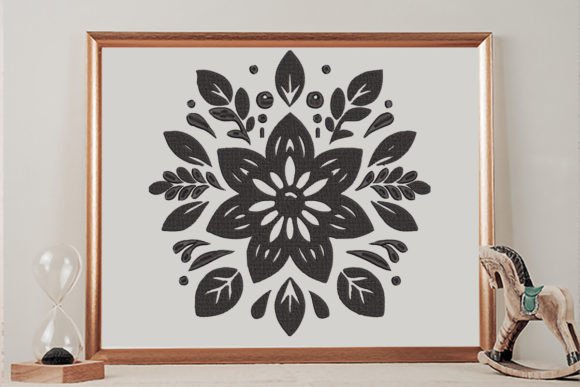
The product description notes that the versatility of this design allows you to embroider it onto various items, such as pillows, tote bags, jackets, or even framed artwork. In my experience, this claim holds weight, but it requires strategic planning. I evaluated how Flower, Floral Embroidery might perform across different product lines.
For custom apparel, such as a linen shirt or a denim jacket, the floral motif offers a sophisticated touch without being overly bulky. When considering sweatshirt embroidery, the design’s structure seems robust enough to sit well on fleece, provided the correct stabilizer is used. I also see strong potential for tote bag design applications. A single, well-placed flower on a canvas bag can elevate a basic item into a boutique merchandise piece, appealing to customers looking for unique, personalized gift options.
Beyond apparel, these files are excellent for home decor. Imagine a set of kitchen towels with a small floral accent in the corner, or a nursery decor pillow featuring a soft, pastel version of the design. The embroidery file format suggests it is ready for immediate use, but the real test lies in the stitching personality. Does it rely too heavily on dense fills, or does it utilize running stitches and satin stitches effectively to create texture?
Technical Performance and Stitching Notes
When reviewing any digital embroidery file, I look closely at stitch types. A good floral design should balance satin stitch for petals and leaves with fill stitch for larger areas, using running stitch for fine details like veins or stems. From the preview images, Flower, Floral Embroidery appears to use a mix that prevents excessive puckering. However, stitch density is a critical factor. If the density is too high, it can cause fabric distortion, especially on stretchy materials like jersey knits used in baby items or caps.
For those interested in creating an embroidered patch, this design could work well if scaled appropriately. Patches require higher density to ensure durability during washing, so checking the file settings is essential. Similarly, for commercial embroidery projects involving frequent washing, such as aprons or baby blankets, the integrity of the stitches must be flawless. I recommend always testing on scrap fabric first. This allows you to check thread color contrast and ensure that tiny lettering or fine details do not collapse.
Another practical consideration is the hoop size. While the design is categorized under Single Flowers, ensuring it fits within your standard hoops (such as 4x4 or 5x7) is vital for efficiency. If you are working on curved surfaces like caps, you must account for the push and pull of the needle. A design that is too wide may distort on a cap front panel. Always confirm hoop size compatibility in the product details before purchasing.
Enhancing Brand Value and Customer Trust
Using high-quality design assets like Flower, Floral Embroidery directly impacts your brand consistency. Customers can spot low-quality digitizing from a mile away. Jagged edges, loose threads, and poor color transitions erode buyer trust. Conversely, a clean, professional stitch-out enhances the visual appeal of your finished product. This attention to detail encourages customer engagement and can justify a higher price point for your Etsy listings or craft fair products.
Furthermore, these designs are excellent for creating printable mockup images. Before you even stitch a single thread, you can place the digital file onto product photos to showcase potential customizations. This helps in marketing your custom apparel or home goods, allowing customers to visualize the final result. It streamlines the sales process and reduces the back-and-forth communication often required for bespoke orders.
Practical Tips for Success
To get the most out of Flower, Floral Embroidery, consider these practical steps:
- Test on Scrap Fabric: Always run a test stitch on the same material you intend to use for the final product. This reveals any issues with tension or density.
- Check Thread Color Contrast: Floral designs rely on subtle shading. Ensure your thread palette provides enough contrast to make the design pop, especially on dark fabrics.
- Use Proper Stabilizer: For stretchy fabrics like sweatshirts, use a cut-away stabilizer. For woven fabrics like tote bags, a tear-away may suffice, but hooping firmly is key.
- Inspect Small Details: After stitching, examine the smallest elements. If they are messy, you may need to adjust your machine tension or reduce the design size slightly.
- Confirm Licensing: Before selling items made with Creative Fabrica embroidery files, review the license terms on the product page. Most allow commercial use for physical items, but it is crucial to verify this to protect your business.
In conclusion, Flower, Floral Embroidery presents itself as a versatile and aesthetically pleasing addition to any designer’s toolkit. Its suitability for various items, from jackets to framed artwork, makes it a flexible choice for diverse product lines. By paying attention to technical details like stabilizer choice and stitch density, you can transform this digital asset into high-value handmade goods. Whether you are an experienced embroiderer or just starting your creative journey, this collection offers a solid foundation for creating beautiful, marketable products.