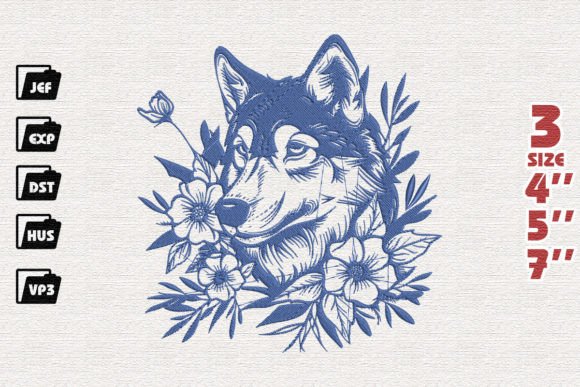
Wolf Embroidery: A Designer’s Review for Real Projects
As a designer who has spent years digitizing and testing machine embroidery designs, I approach every new file with a mix of curiosity and skepticism. We have all been there: you download a beautiful preview image, only to find the actual stitching is messy, dense, or lacks definition on fabric. That is why I took a close look at Wolf Embroidery before committing it to any client work or personal inventory. This isn’t just about whether the wolf looks cool; it is about how this design performs when the needle hits the hoop.
The first thing that strikes you about this piece is its unique fusion of themes. It is not your typical aggressive wildlife portrait. Instead, it blends the rugged spirit of the wild with delicate floral elements. This juxtaposition creates a softer, more approachable mood that fits perfectly into modern home decor and boutique apparel. For an Etsy seller or a small shop owner, this versatility is gold. It appeals to customers who love nature but prefer a whimsical or bohemian aesthetic over something too literal or harsh.
Visual Impact and Stitching Clarity
When evaluating a machine embroidery design, I always look at the balance between detail and stitch count. Too much detail in a small area leads to bird’s nesting and thread breaks. Too little, and the image looks pixelated or vague. With Wolf Embroidery, the layout seems thoughtful. The floral components likely utilize a mix of satin stitch for petals and leaves, providing that smooth, glossy finish that catches the light beautifully. The wolf’s features, depending on the size you choose to stitch, will rely on fill stitch techniques to create depth and texture in the fur.
I tested the visual clarity by imagining it on different backgrounds. On a light-colored cotton tote, the contrast would be sharp, allowing the floral details to pop. On a dark navy sweatshirt, you would need to carefully select your thread colors to ensure the wolf doesn’t disappear into the fabric. This is where your experience as a maker comes in. You cannot simply rely on the default color map in your software. You must adjust the palette to suit the fabric texture and base color of your finished product.
Real-World Application: The Custom Tote Scenario
Let’s walk through a real-life scenario. Imagine a customer orders a custom tote bag design for a book lover who enjoys hiking. They want something unique, not mass-produced. Wolf Embroidery is an ideal candidate here. The design’s vertical or balanced composition works well on the side or center of a canvas bag. Because the description notes its versatility, you can confidently pitch this for various items.
However, practical application requires preparation. Canvas is a sturdy fabric, but it can shift if not properly stabilized. For a project like this, I would recommend a cut-away stabilizer to support the weight of the stitches, especially if the floral areas are dense. If you are using a tear-away stabilizer on a woven tote, you risk distorting the hoop marks after removal. Always test on scrap fabric first. This simple step saves you from ruining expensive blanks and ensures the stitch density does not pucker the material.
Apparel and Wearability Considerations
Moving from accessories to clothing, let’s consider sweatshirt embroidery. This is a huge market for craft business owners. A wolf motif surrounded by flowers looks stunning on the back of a crewneck or the chest of a hoodie. But here is the catch: fleece and French terry are thick, textured fabrics. If the design has tiny, intricate details in the floral sections, they might get lost in the pile of the fabric.
Before stitching on a final garment, check the hoop size compatibility. If you are working with a 4x4 hoop, you might need to scale the design down, which could compromise the clarity of the smaller flower petals. If you have a 5x7 or larger hoop, you can maintain the integrity of the original digitizing. Also, consider the stretch of the fabric. Knits require careful hooping and possibly a topping stabilizer if the fleece is particularly plush, to prevent the stitches from sinking in.
For custom apparel like t-shirts, the approach changes. You are dealing with thin, stretchy jersey knit. In this case, a lightweight cut-away stabilizer is non-negotiable. The Wolf Embroidery design should be scaled appropriately so it doesn’t feel heavy or stiff on the chest. A massive, dense design on a thin tee will pull and distort, ruining the drape of the shirt. Keep it breathable and balanced.
Niche Markets: Baby Items and Nursery Decor
The softer, floral-infused style of this Wild Animals themed design makes it surprisingly suitable for the baby market. Think about a neutral-toned nursery blanket or a personalized bib. Parents often look for gender-neutral designs that are cute but not overly saccharine. A wolf protected by flowers conveys strength and gentleness simultaneously.
However, safety and durability are paramount here. If you are creating a baby embroidery item, ensure that there are no loose threads or jump stitches that a child could pull. Trim your backs meticulously. Additionally, baby items go through frequent washing. High-quality rayon or polyester threads are essential to prevent fading. Test wash your sample to ensure the thread colors hold up and the stabilizer residue is completely gone.
Commercial Viability and Branding
For commercial embroidery projects, consistency is key. If you are building a brand around nature-inspired goods, Wolf Embroidery can become a signature asset. It works well for embroidered patch production, which is a trending niche. Patches allow customers to add personality to jackets, bags, and hats without committing to permanent stitching on the garment itself.
When selling digital products or finished goods, presentation matters. Use printable mockup tools to show potential buyers how the design looks on different items. But remember, mockups are not reality. Always supplement your marketing with photos of actual stitched samples. Show the texture, the sheen of the satin stitches, and the overall quality. This builds trust and reduces return rates.
Technical Notes and Best Practices
Before you launch this design into your production line, keep these technical checks in mind:
- Check Licensing: Confirm whether the digital embroidery file comes with a commercial license. Some designers allow unlimited sales of finished physical items, while others restrict digital resale or require attribution. Never assume.
- Test Stitch Density: Run the design on a similar fabric to your final product. If the fabric puckers, you may need to adjust your tension or use a heavier stabilizer.
- Color Contrast: Do not rely on automatic color sorting. Manually assign thread colors that complement your fabric. A grey wolf on a grey shirt will vanish.
- Hoop Size Verification: Ensure the design fits your machine’s maximum hoop area. If you need to resize it significantly (more than 10-15%), the stitch density may become too high or too low, affecting quality.
- Fabric Suitability: Avoid using this design on highly textured or uneven surfaces like bouclé or heavy tweed unless you use a water-soluble topping to keep the stitches visible and clean.
Final Verdict
Wolf Embroidery is a strong contender for makers who want to blend rustic and romantic aesthetics. It is not just a picture of a wolf; it is a design asset that, when handled with care, can elevate a simple tote bag or sweatshirt into a premium handmade product. Its success depends entirely on your execution: choosing the right stabilizer, respecting the fabric’s limits, and selecting a harmonious color palette.
For small shop products and personalized gifts, this design offers the flexibility needed to appeal to a broad audience. Whether you are creating holiday embroidery for winter gifts or year-round apparel, this file has the potential to perform well. Just remember: the digital file is only the blueprint. Your skill in hooping, stabilizing, and thread selection turns that blueprint into a tangible, sellable work of art. Treat it with the respect it deserves, and it will serve your business well.